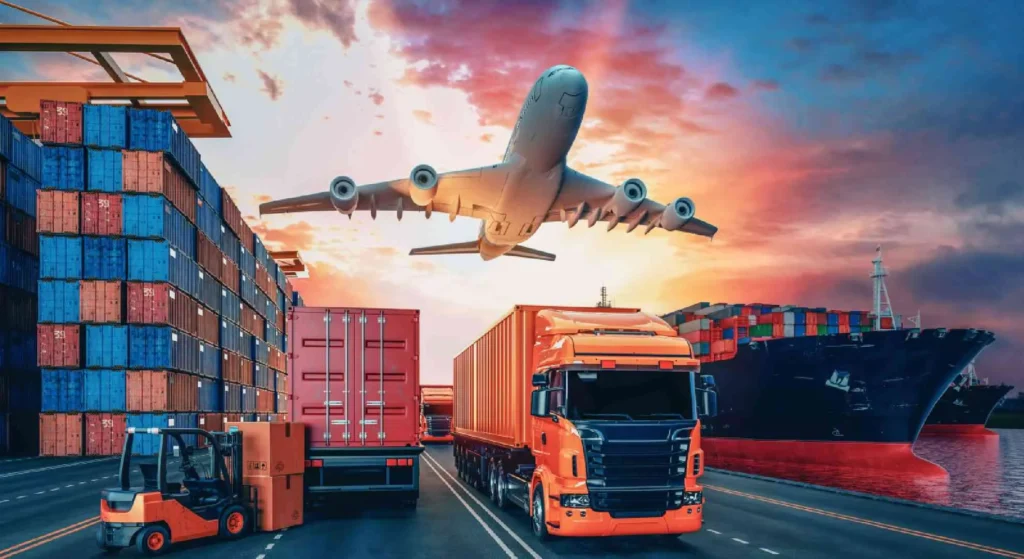
Efficient cargo movement is one of the foundations of successful business operations. As industries continue to expand and supply chains become more complex, freight forwarding has become an essential service for ensuring smooth transportation and timely deliveries.
From industrial cargo and construction materials to commercial goods and project equipment, businesses depend on reliable freight forwarding to maintain operational continuity.
What is Freight Forwarding?
Freight forwarding involves the coordination and management of cargo transportation from one location to another.
This process includes:
- Shipment planning
- Cargo coordination
- Transportation management
- Customs documentation support
- Delivery scheduling
Professional freight forwarding ensures shipments move efficiently while minimizing delays and operational challenges.
Why Freight Forwarding Matters
Without proper freight coordination, businesses may experience:
- Transportation delays
- Increased logistics costs
- Supply chain disruptions
- Poor delivery performance
Professional freight forwarding services help businesses avoid these challenges through better planning and coordination.
Benefits of Professional Freight Forwarding
Improved Transportation Efficiency
Professional coordination ensures smoother cargo movement and timely delivery.
Reduced Delays
Strategic planning minimizes disruptions and transportation bottlenecks.
Better Supply Chain Visibility
Businesses gain improved coordination and shipment management.
Customs Documentation Support
Professional assistance simplifies required shipping documentation.
Cost Optimization
Efficient logistics planning helps reduce unnecessary transportation expenses.
Industries That Benefit Most
Freight forwarding is especially valuable for:
- Construction Industry
- Industrial Manufacturing
- Oil & Gas Sector
- Power & Energy Projects
- Infrastructure Development
- Commercial Businesses
These industries rely on dependable cargo movement to maintain operational continuity.